Greater San Diego Area
Call Us: (888) 322-2203
Need a Quote? Contact Us

Our experienced team offers services for both residential and commercial properties. With over 15 years of experience in the industry, we boast all of the knowledge and expertise in repairing.
Need a Quote? Contact Us
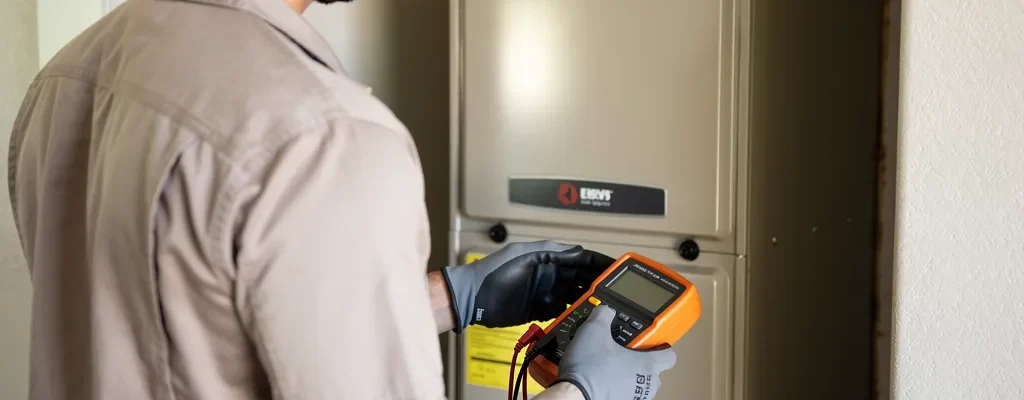
San Diego homeowners facing rattling noises, squealing sounds, or insufficient heating need prompt furnace repair. What Are the Signs That My Furnace Needs Immediate Repair in San Diego? Our team of certified HVAC technicians provides expert air conditioning. Airflow Comfort provides expert air conditioning repair, heating services, and system installations for both residential and commercial properties across the Greater San Diego Area. With over 15 years of experience in the industry, their team focuses on efficient, reliable solutions tailored to meet specific comfort needs.
Strange furnace noises in San Diego homes signal mechanical trouble that needs immediate attention. Banging, clattering, or squeaking sounds point to loose components, worn-out parts, or a failing motor. Homeowners who ignore these warning sounds risk more significant problems and costlier repairs down the line.
Each sound tells a specific story about furnace health. A banging noise often indicates a loose or broken internal component. Clattering suggests parts have shifted out of alignment. Squeaking typically points to a failing motor or belt that requires replacement.
Yes. Delaying repairs on a noisy furnace allows minor mechanical issues to compound. What starts as a worn belt can progress to motor failure. A loose component can damage surrounding parts. The result is often a complete system replacement rather than a simple repair.
Airflow Comfort’s certified technicians diagnose and correct furnace issues across San Diego, including unusual sounds. The company provides expert heating services for residential and commercial properties. Homeowners dealing with loud equipment may also find guidance on noisy AC units during outdoor gatherings. Prompt diagnosis protects both comfort and budget during San Diego’s cooler coastal months.
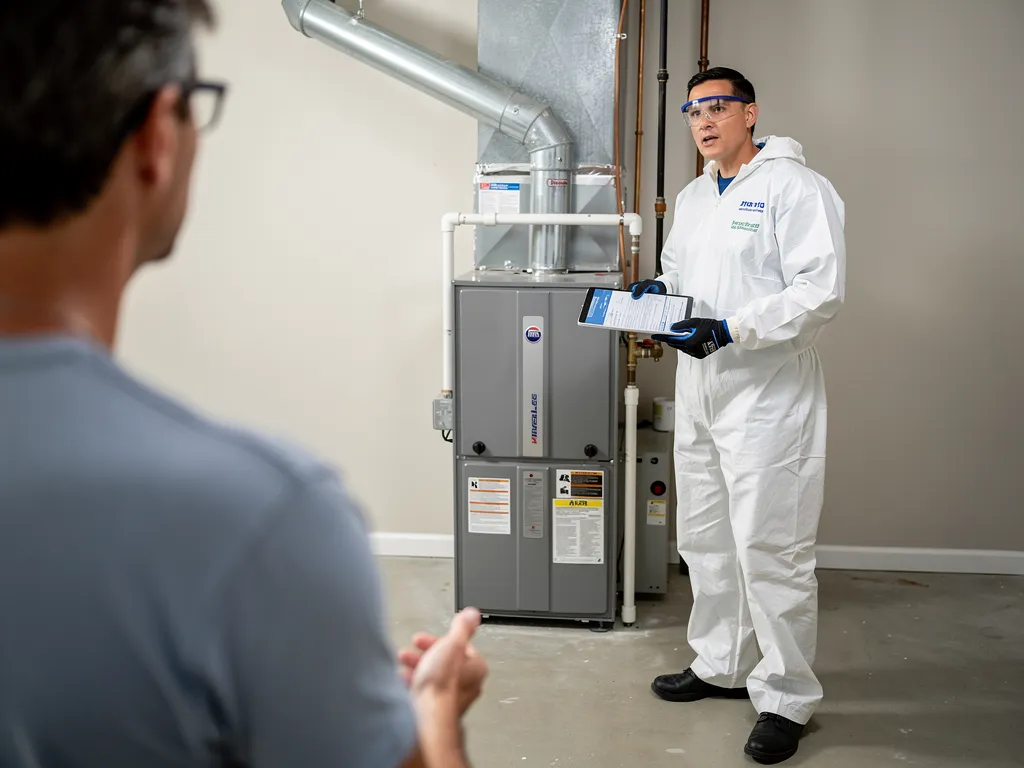
A sudden spike in monthly utility costs signals mechanical inefficiency inside a furnace. The system burns more fuel than necessary to produce the same amount of heat. In San Diego, where heating systems run intermittently during cooler coastal evenings and inland winter nights, an unexplained bill increase stands out as a red flag that demands immediate attention.
A furnace wastes energy when internal components degrade and force longer, harder run cycles. According to a December 2025 report from Fix Omega, a sudden jump in gas or electric bills is the clearest sign of significant mechanical inefficiency in a heating system. The equipment strains against dirty filters, failing ignition systems, or worn blower motors. Each compromised part adds resistance. The furnace compensates by running extended cycles that consume more fuel without delivering proportional warmth.
Costs compound quickly when repairs are postponed. The system works harder and longer, wasting energy to achieve the desired temperature. Every week of deferred service deepens the efficiency loss. Homeowners face a double penalty: rising utility payments and accelerating component wear that leads to more expensive breakdowns later.
Neglecting necessary maintenance ensures a steady decline in performance while energy use steadily increases. Airflow Comfort technicians diagnose the specific failure point in the furnace sequence and restore efficient operation. Property managers and homeowners who act on the first high bill avoid cascading damage. For those seeking long-term savings, practical steps to reduce energy costs complement professional repairs and protect against recurring spikes.
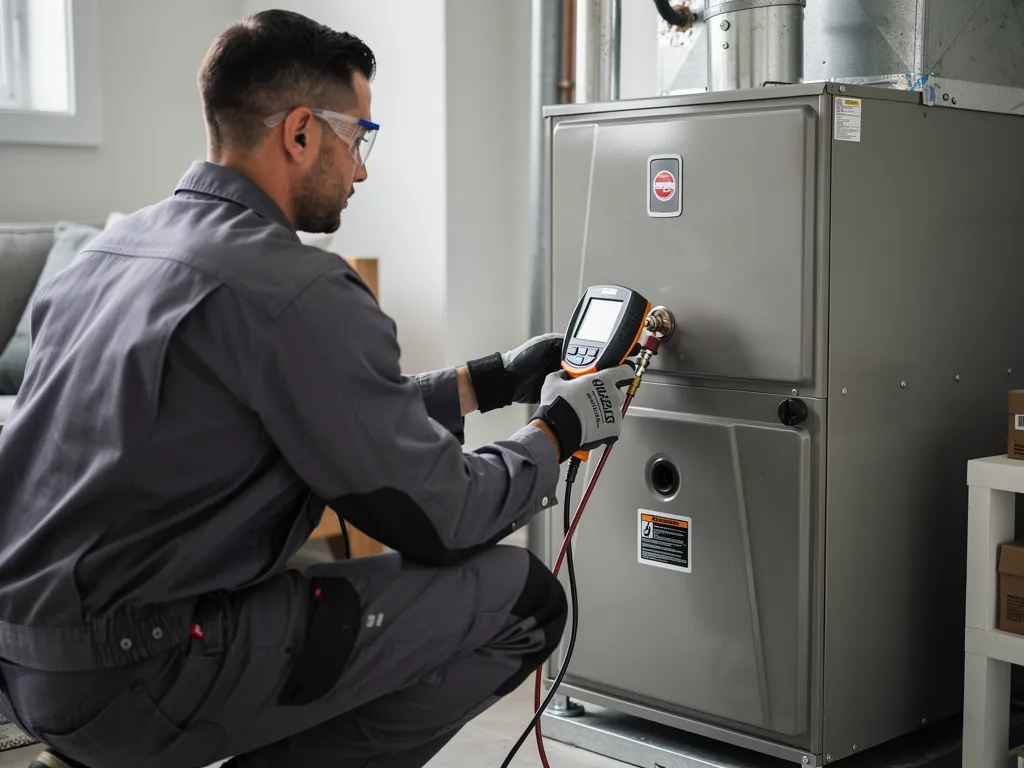
A yellow pilot flame signals incomplete combustion inside a gas furnace. That color means the burner is not getting enough oxygen, and the result is a serious safety hazard. A healthy furnace flame burns steady blue with a small yellow tip. Anything else demands immediate attention from a qualified technician.
A gas furnace follows a strict startup sequence every time it runs. The thermostat calls for heat, the inducer establishes draft, the ignitor fires, the gas valve opens, the flame sensor confirms ignition, and the blower delivers warm air. When the flame burns yellow instead of blue, the combustion process has broken down at a fundamental step. The furnace produces carbon monoxide rather than harmless byproducts. This odorless gas creates a dangerous situation that worsens the longer the system operates.
Yes. Incomplete combustion directly produces carbon monoxide. A yellow or flickering orange flame means the gas is not burning cleanly. The risk escalates with every heating cycle. Homeowners who notice this warning sign should shut the system down and schedule professional diagnosis immediately. Airflow Comfort’s team of certified HVAC technicians addresses safety issues like improper flame color through thorough inspection and precise correction. The company’s technicians identify exactly where the combustion sequence fails and restore safe operation. For properties without detectors, carbon monoxide can build up in a home silently, causing symptoms like headaches and nausea that occupants often miss until exposure becomes severe.
Common causes of a yellow pilot flame include:
Clogged burner orifices restricting airflow
Dirty air intake vents
Cracked heat exchanger
Improper gas pressure settings
Excessive humidity around the combustion area
Each cause requires a different repair approach. A visual inspection alone cannot pinpoint the root issue. Only a licensed technician with combustion testing equipment can confirm the system is safe to operate again. San Diego homeowners who spot a yellow flame should treat it as an urgent repair need, not a minor quirk.
Short cycling signals a furnace problem that demands immediate attention. A furnace that starts and stops repeatedly without completing a full heating cycle wastes energy and accelerates component wear. Homeowners in San Diego who ignore frequent cycling risk a complete system failure during the cooler coastal winter months.
The underlying causes of short cycling range from simple fixes to serious mechanical failures. A malfunctioning thermostat often triggers the problem by sending incorrect temperature readings to the furnace control board. Faulty electrical connections create intermittent power delivery that causes the system to shut down prematurely. Same Day, a San Diego HVAC provider, reports that these two issues rank among the most common service calls for cycling problems.
Several mechanical and electrical faults produce short cycling behavior. A clogged air filter restricts airflow across the heat exchanger, causing the high-limit switch to trip as a safety measure. Oversized furnaces also cycle rapidly because they heat the space too quickly for the thermostat to maintain steady operation.
Short cycling inflicts cumulative damage on critical furnace components. The repeated start-up sequence stresses the ignitor, gas valve, and blower motor far beyond normal operating conditions. Each incomplete cycle leaves the heat exchanger exposed to thermal shock as it rapidly heats and cools. Over time, this stress pattern cracks the heat exchanger, a repair cost that often exceeds the value of an aging furnace.
Airflow Comfort provides expert heating repair services to diagnose and resolve short cycling issues across San Diego. The company’s technicians trace the problem to its root cause, whether electrical, mechanical, or installation-related. Annual maintenance visits help prevent cycling problems before they start. Homeowners who schedule regular service avoid the expense and disruption of emergency breakdowns.
Strange noises like banging, clattering, or squeaking signal mechanical trouble. A sudden spike in your energy bill also indicates mechanical inefficiency. Both require immediate attention from certified technicians.
Banging indicates a loose or broken internal component. Clattering suggests misaligned parts. Squeaking points to a failing motor or belt that requires replacement. All three carry immediate urgency.
Yes. Delaying repairs allows minor issues to compound, such as a worn belt progressing to motor failure. A loose component can damage surrounding parts, often resulting in complete system replacement instead of a simple repair.
San Diego homeowners who recognize these warning signs (unusual noises, rising energy bills, a yellow pilot flame, or short cycling) protect their property and family by acting immediately. Delaying service turns a simple repair into a system failure. Schedule a professional inspection at the first symptom to restore safe, efficient operation and avoid the higher cost of emergency replacement.

Typically replies within a day

Leave A Comment