Greater San Diego Area
Call Us: (888) 322-2203
Need a Quote? Contact Us

Our experienced team offers services for both residential and commercial properties. With over 15 years of experience in the industry, we boast all of the knowledge and expertise in repairing.
Need a Quote? Contact Us
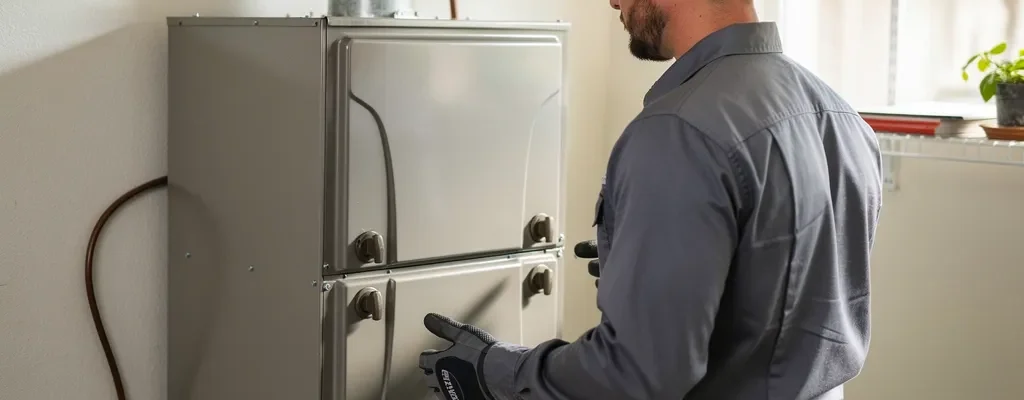
Unusual noises, frequent cycling, weak airflow, rising energy bills, and yellow burner flames signal a furnace needs repair before winter. Airflow Comfort’s technicians, with over 15 years of experience, diagnose these issues promptly for San Diego homes. Ignoring these signs risks a mid-season breakdown.
A furnace that struggles to start or stay on signals underlying trouble. Ignition problems, worn wiring, or faulty safety switches often cause a unit to hesitate, require multiple restarts, or shut down before completing a heating cycle.
Short cycling points to a system fighting itself. A furnace that starts and stops repeatedly wastes energy and strains components. The root cause ranges from a clogged filter restricting airflow to a malfunctioning flame sensor misreading the burner status. Left unchecked, this pattern accelerates wear on the blower motor and heat exchanger.
Repair frequency offers another clear warning. More frequent and more expensive furnace repairs indicate a system nearing the end of its usable life. A single costly fix might make sense. A pattern of breakdowns does not. Homeowners who track repair invoices often notice the tipping point when annual service bills exceed what a new system payment would cost.
Neglect carries a compounding cost. Regular maintenance lowers energy and repair costs, prevents breakdowns, and prolongs equipment life. Skipping it ensures a steady decline in performance. Dirt buildup chokes airflow. Small cracks in the heat exchanger go unnoticed. Electrical connections loosen over time. Each missed service visit lets these problems deepen until a minor issue becomes a major failure.
Airflow Comfort provides expert heating services and system installations for both residential and commercial properties across the Greater San Diego Area. Technicians diagnose these warning signs daily and recommend solutions matched to each system’s condition. Property managers and homeowners who schedule annual furnace servicing catch problems before they strand a building without heat. The sequence is straightforward:
Inspect the ignition assembly and safety switches for wear or corrosion.
Test the blower motor and airflow path for obstructions.
Measure temperature rise across the heat exchanger to verify combustion efficiency.
Tighten electrical connections and calibrate the thermostat cycle.
A furnace that runs reliably through winter starts with attention to these early indicators.
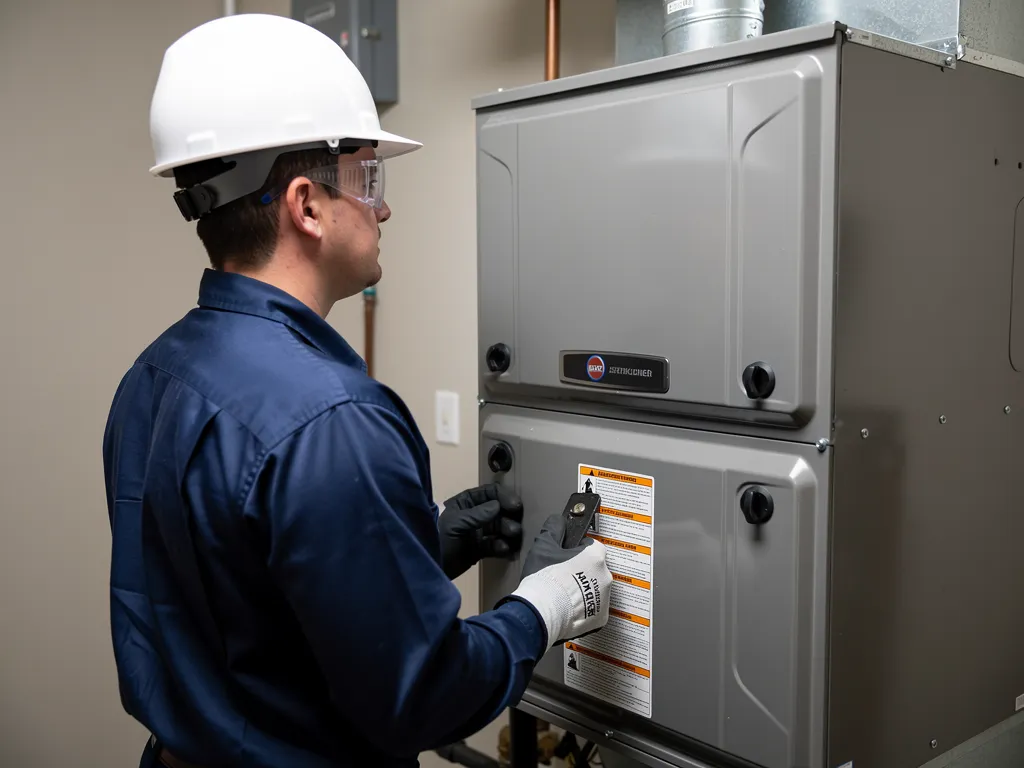
Furnace age determines reliability more than any other single factor. Equipment life expectancy data from the American Society of Heating, Refrigerating and Air-Conditioning Engineers (ASHRAE) places the median service life of a residential gas furnace at 15 to 20 years. Systems operating beyond that window carry escalating failure risks that no repair can reverse.
Once a furnace crosses the 15-year threshold, thermal expansion cycles take a measurable toll. Repeated heating and cooling makes metal components brittle. The heat exchanger, burners, and blower assembly all degrade at an accelerated rate. Replacement parts for aging units also become difficult to locate, turning what should be a routine fix into a prolonged search for discontinued components. Homeowners who delay replacement often face a cascade of breakdowns during peak winter demand.
A homeowner can verify furnace age directly from the manufacturer rating plate using the serial number. The plate is typically affixed to the inside of the front access panel or on the side of the unit. Most manufacturers encode the production date within the serial number, though decoding formats vary by brand. Cross-referencing the serial number with the manufacturer’s date code guide provides an exact age within minutes.
Efficiency declines steadily as internal components wear. An older furnace works harder and runs longer to maintain the same temperature setpoint. The average life expectancy of equipment generally spans 10 to 20 years. The final third of that lifespan delivers diminishing returns. Rising utility bills often signal that the system is consuming more fuel than its rated efficiency suggests.
Airflow Comfort’s certified HVAC technicians bring over 15 years of experience to every heating system evaluation. The company provides expert repair and replacement services for residential and commercial properties across the Greater San Diego Area. Founded by two local San Diegans, Airflow Comfort prioritizes excellence and community service in every installation. A professional assessment identifies whether age-related wear has compromised safety or performance before a mid-season failure leaves a property without heat.
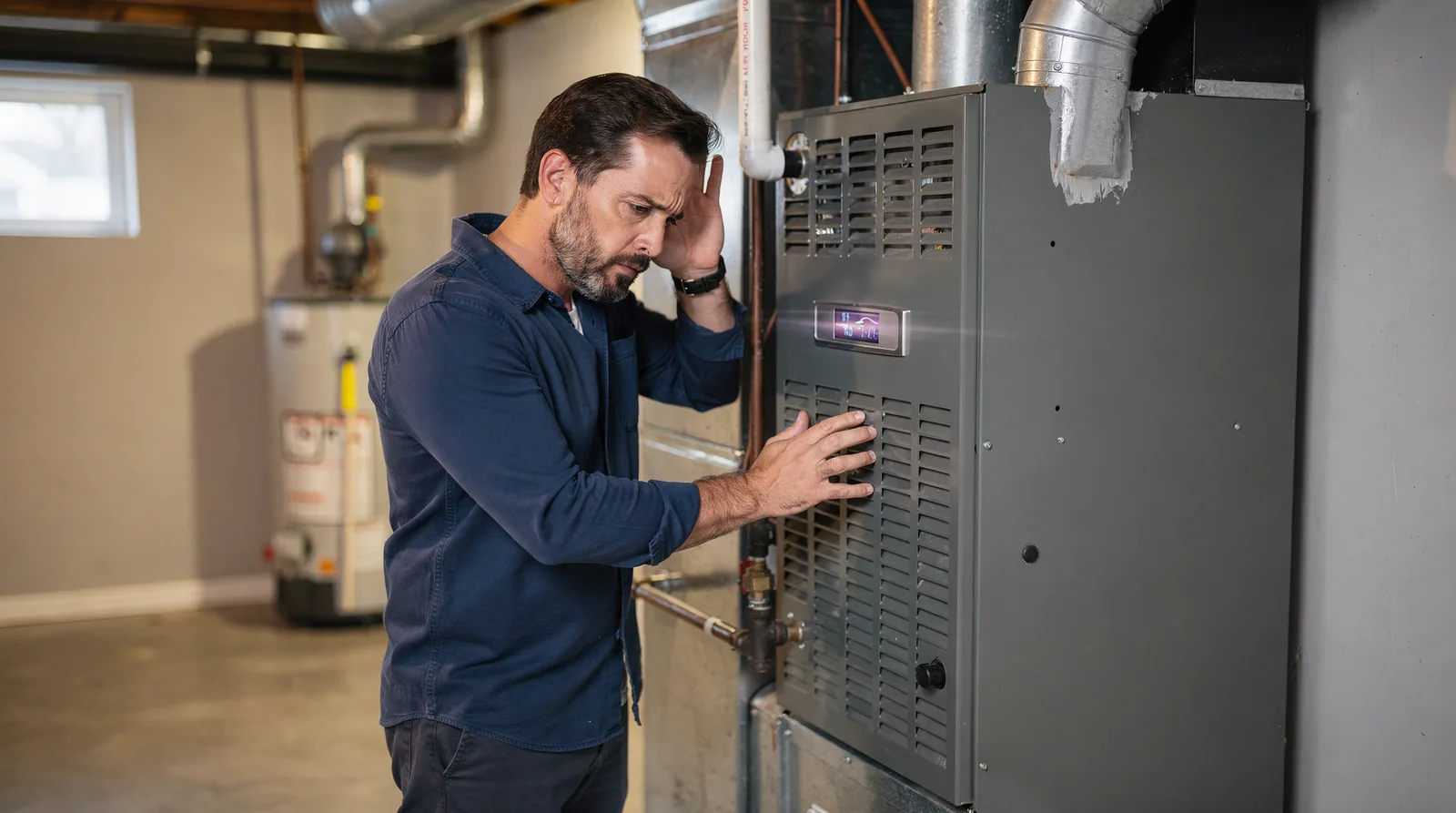
Furnace sounds provide a direct diagnostic window into mechanical health. Banging, squealing, or rumbling noises signal specific component failures that demand professional attention. Ignoring these audible warnings allows minor issues to escalate into complete system breakdowns.
A furnace repair technician interprets each sound as a distinct mechanical signature. The noise pinpoints the failing part before visible damage appears.
A loud banging or popping sound typically indicates delayed ignition. Gas builds up in the combustion chamber before igniting all at once. This mini-explosion stresses the heat exchanger and creates a serious safety hazard. The issue stems from dirty burners or a failing ignition system.
A high-pitched squeal points to a failing blower motor bearing or a slipping blower belt. The blower circulates heated air through the ductwork. When bearings wear out or belts lose tension, friction produces that unmistakable screech. A properly running furnace should operate quietly during every heating cycle.
Rumbling sounds tell a different story. A low rumble often means the burner needs adjustment or the gas-air mixture is off. In older units, rumbling signals a cracked heat exchanger, a condition that risks carbon monoxide leaks. This requires immediate shutdown and professional evaluation.
Airflow Comfort provides a comprehensive range of heating system services, including diagnosis of these exact noise patterns. The company’s ongoing maintenance programs keep units operating at peak efficiency without disruptive breakdowns. Neglecting necessary maintenance ensures a steady decline in system performance while energy use steadily increases. Homeowners who schedule prompt inspections avoid the cascade of damage that follows untreated mechanical noise.
A sudden spike in monthly energy costs often signals a furnace struggling to operate efficiently. The system works harder and runs longer to maintain the set temperature, driving up utility bills without any obvious change in household habits.
**** A climbing energy bill ranks among the earliest and most overlooked indicators. When a furnace loses efficiency, it consumes more fuel or electricity to produce the same amount of heat. Catching this warning sign early saves money and prevents a mid-season breakdown.
A furnace that struggles to heat efficiently forces the system into longer, more frequent cycles. Components like dirty burners, failing blower motors, or clogged filters restrict airflow and reduce heat transfer. The thermostat keeps calling for warmth, but the furnace delivers less output per cycle. The result is a steady rise in energy consumption that shows up on the monthly statement long before the unit fails completely.
Addressing the root cause requires professional diagnosis. Airflow Comfort’s certified HVAC technicians identify efficiency losses through systematic inspection of the entire heating system. Common fixes include cleaning or replacing dirty filters, sealing leaky ductwork, and recalibrating the thermostat. In cases where the furnace has aged beyond cost-effective repair, the company recommends energy-efficient upgrades that restore performance and lower operating costs.
Consistent annual HVAC maintenance lowers energy costs and prevents expensive emergency repairs. Neglecting routine service allows small problems to compound. A minor ignition delay or a slightly restricted burner degrades efficiency month after month. The cumulative effect appears as an unexplained increase in heating expenses. Scheduling a seasonal tune-up before cold weather arrives keeps the system running at peak efficiency.
Airflow Comfort’s vision is a better, more comfortable living experience for every customer in the Greater San Diego Area. Homeowners who notice rising bills should explore how to reduce energy costs through targeted upgrades and professional maintenance. The company’s technicians are committed to improving living environments through expert HVAC solutions that restore comfort without wasting energy.
Unusual noises, frequent cycling, weak airflow, rising energy bills, and yellow burner flames signal a furnace needs repair. Ignoring these signs risks a mid-season breakdown.
Short cycling points to a system fighting itself, wasting energy and straining components. A clogged filter or malfunctioning flame sensor often causes this pattern, which accelerates wear on the blower motor and heat exchanger.
Neglect carries a compounding cost, ensuring a steady decline in performance. Dirt buildup chokes airflow, small cracks go unnoticed, and electrical connections loosen, turning minor issues into major failures.
Recognizing these warning signs before winter arrives separates a comfortable season from an emergency repair call. A furnace that bangs, squeals, or drives up energy bills demands professional attention now, not after the first cold snap. Homeowners who schedule a certified inspection address small issues before they become safety hazards or complete breakdowns. Take action on these signals today. Enter the heating season with confidence that your system will perform reliably when you need it most.

Typically replies within a day

Leave A Comment