Greater San Diego Area
Call Us: (888) 322-2203
Need a Quote? Contact Us

Our experienced team offers services for both residential and commercial properties. With over 15 years of experience in the industry, we boast all of the knowledge and expertise in repairing.
Need a Quote? Contact Us
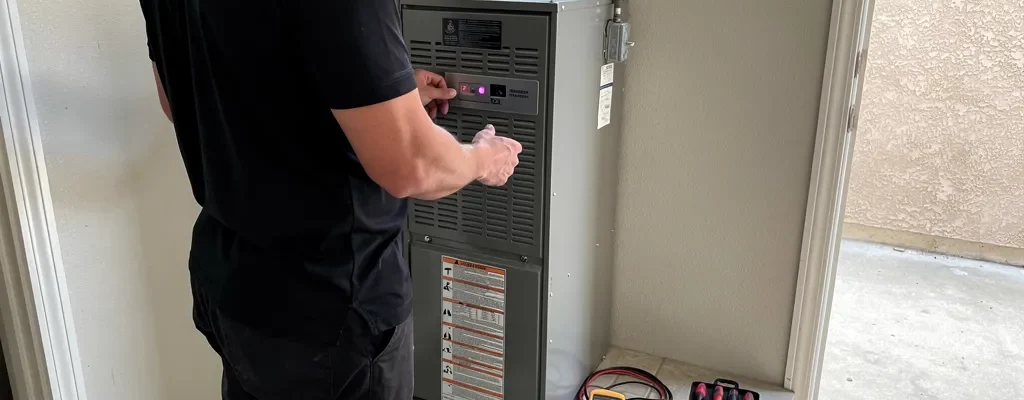
Furnace repair becomes necessary when unusual noises, weak airflow, or rising heating bills signal trouble. Frequent breakdowns and yellow burner flames indicate replacement needs. Airflow Comfort’s technicians, with 15-plus years of experience, diagnose these warning signs and deliver reliable heating solutions for San Diego homes.
Furnace age is the decisive factor in the repair-versus-replace calculation. Once a heating system surpasses its expected service window, homeowners face rising costs, dwindling parts availability, and a greater likelihood of mid-winter failure.
System age serves as the baseline filter for every heating decision. According to American Standard Air’s 2024 guidance, the typical gas furnace lasts 15 to 20 years. Some units run longer. Others fail sooner. Quality of initial installation and maintenance history both influence that timeline, but the 15-year mark remains the point where evaluations must shift from purely reactive repair toward proactive replacement planning.
Furnace age triggers critical safety and financial considerations. Homes with a furnace 15 years or older are also more likely to experience cracked heat exchangers, poor airflow, and short cycling, as detailed in Airflow Comfort’s breakdown of furnace repair warning signs. Thermal expansion cycles make metal components brittle after 15 years, as noted by the American Society of Heating, Refrigerating and Air-Conditioning Engineers (ASHRAE). Replacement parts become scarce and expensive at that stage. Repair costs accumulate without restoring the unit to reliable condition.
A straightforward calculation determines whether repair makes financial sense. Multiply the repair estimate by the furnace’s age. If the product exceeds the price of a new system, replacement delivers better long-term value. Homeowners in the Greater San Diego Area can consult Airflow Comfort for expert heating services and system installations, ensuring a furnace replacement decision accounts for both immediate repair costs and future energy savings. The company’s technicians bring over 15 years of experience to every diagnostic evaluation, helping residential clients weigh their options with confidence rather than uncertainty.
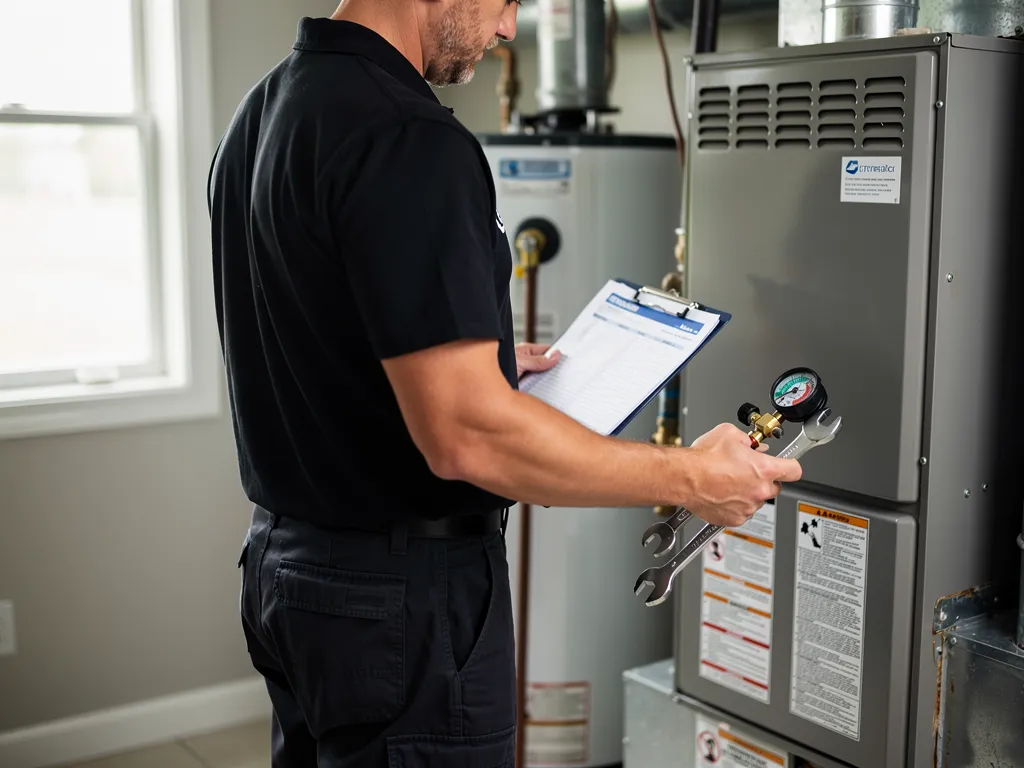
Frequent furnace repairs signal a system in decline. The biggest and most obvious sign a furnace is failing is that homeowners pay for more frequent and more expensive repairs. Each service call chips away at the household budget while the underlying problem remains unresolved.
A furnace that demands attention multiple times per season has crossed from maintenance into crisis. Repair costs accumulate quickly. A single major component replacement often costs hundreds of dollars. Two or three such repairs within a year approach the price of a new system. Homeowners who track repair spending over 12 months frequently discover the math favors replacement.
A simple calculation reveals the tipping point. Multiply the repair cost by the furnace’s age. When that product exceeds the cost of a new unit, replacement becomes the financially sound choice. Industry guidance suggests that any single repair exceeding a significant portion of a new system’s price makes replacement the smarter long-term decision.
Neglecting necessary maintenance ensures a steady decline in performance and reliability. Small issues compound into major failures. Components wear faster. Efficiency drops month after month. The furnace works harder to produce the same heat, accelerating the cycle of breakdowns.
Maintaining a system lowers energy and repair costs, prevents breakdowns, and prolongs the life of the equipment. Homeowners who follow a consistent maintenance schedule avoid the repair spiral entirely. Airflow Comfort provides comprehensive inspections that catch problems before they escalate. For San Diego residents, keeping a heating system running smoothly through regular tune-ups eliminates the surprise of mid-season failures. The choice between ongoing repairs and a reliable replacement becomes clear when the numbers are laid side by side.
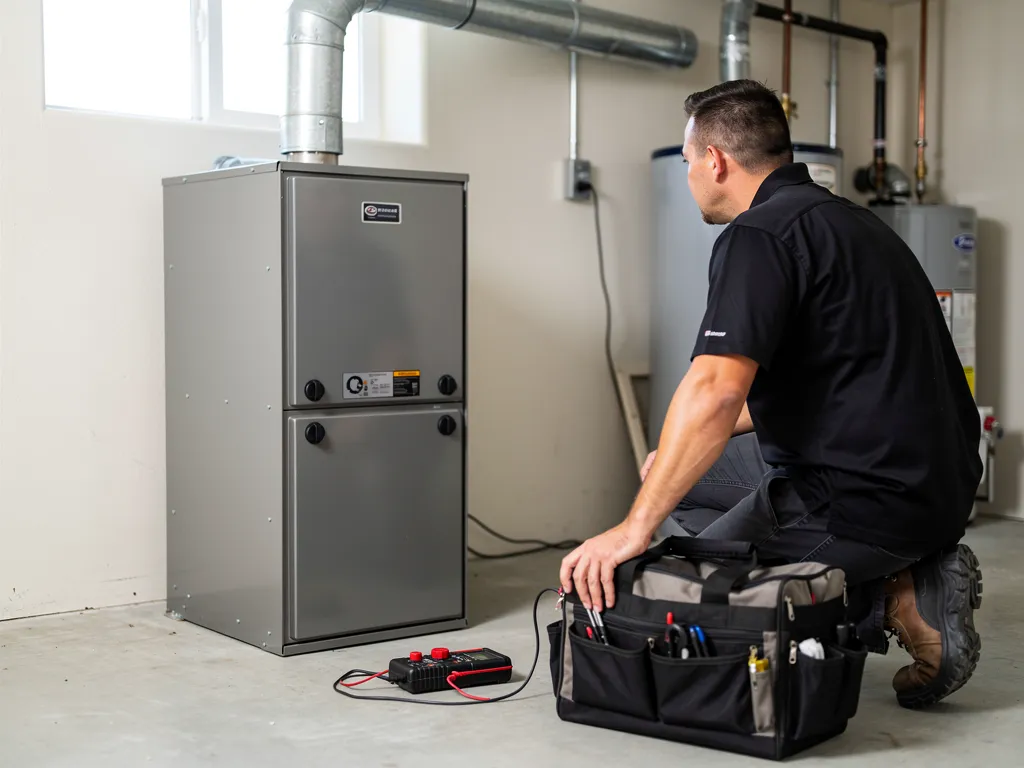
Strange furnace noises demand immediate attention. These sounds indicate mechanical stress, loose components, or airflow blockages that worsen without intervention. Homeowners who ignore unusual sounds risk complete system failure during cold weather, leaving a property without heat when it matters most.
A loud banging or popping noise when the furnace starts often points to delayed ignition. Gas builds up in the combustion chamber before igniting, creating a small explosion. This condition stresses the heat exchanger and creates a safety hazard. Dirty burners cause the same symptom. Either way, the furnace needs urgent repair before the heat exchanger cracks.
A high-pitched screeching or squealing noise typically signals a failing blower motor bearing or a slipping blower belt. The blower motor circulates warm air through the ductwork. When bearings wear out, metal grinds against metal. A worn belt slips on the pulley and produces a sharp squeal. Both problems stop airflow entirely if left unresolved.
Rattling sounds come from loose panels, unsecured ductwork, or failing internal components. A low rumbling noise indicates a burner problem, often caused by improper fuel-to-air mixture. The rumbling grows louder over time as carbon deposits build up inside the combustion chamber. This condition reduces efficiency and increases the risk of carbon monoxide leaks.
Airflow Comfort’s certified HVAC technicians diagnose these noises quickly. The company provides furnace repair service for residential and commercial properties across the Greater San Diego Area. Technicians inspect the blower assembly, heat exchanger, burners, and duct connections to pinpoint the exact cause. Delaying service turns a minor mechanical issue into a full system replacement. Homeowners can review additional furnace trouble indicators that signal the need for professional evaluation.
Uneven heating across a home signals a furnace that cannot distribute warmth properly. The problem ranges from a simple repair to a full system replacement, depending on the root cause and the unit’s condition.
A furnace struggling to heat every room equally forces homeowners to compensate with space heaters or by closing off unused areas. Those workarounds mask the real issue while energy bills climb. According to the American Society of Heating, Refrigerating and Air-Conditioning Engineers (ASHRAE), the median service life of a residential gas furnace is 15 to 20 years. A unit approaching that age with uneven heating symptoms often points toward replacement rather than repair.
Dirty air filters, blocked vents, and leaky ductwork restrict airflow to distant rooms. These issues typically require straightforward repairs. A technician cleans the system, seals the ducts, and restores balanced airflow.
A failing blower motor or cracked heat exchanger creates temperature imbalances that worsen over time. Once a furnace crosses 15 years of service, thermal expansion cycles make metal components brittle. Replacement parts also become difficult to locate. At that stage, investing in a new system costs less than repeated emergency repairs.
Airflow Comfort provides heating system services including installation, repair, and replacement for optimal climate control. The company’s technicians diagnose whether ductwork, component failure, or system age causes the imbalance. Airflow Comfort focuses on efficient, reliable solutions to ensure optimal climate control for homes and businesses throughout the Greater San Diego Area. A professional assessment determines if a targeted repair restores comfort or if a new furnace installation delivers the long-term reliability homeowners need.
Rising monthly heating costs without a corresponding increase in thermostat usage signal a furnace losing operational efficiency. This pattern often indicates internal components working harder to produce the same warmth, a condition that escalates toward complete system failure. Homeowners who ignore these climbing bills risk sudden breakdowns during San Diego’s coldest nights.
What Are the Signs That My Furnace Needs Urgent Repair or Replacement? The clearest financial indicator is an unexplained spike in energy expenses. Neglecting necessary maintenance ensures a steady decline in performance, forcing the furnace to consume more fuel or electricity to maintain set temperatures. Airflow Comfort designs ongoing service plans to keep units operating at peak efficiency without disruptive breakdowns.
Worn bearings, failing ignition systems, and clogged burners create resistance. The blower motor strains against this resistance, drawing additional power with every cycle. Over a full heating season, these incremental losses compound into bills noticeably higher than previous years.
Restricted airflow from dirty filters and ductwork forces the system into longer run times. Airflow Comfort offers a complete line of indoor air quality products to address this problem directly. A high-efficiency air cleaner removes up to 99 percent of pollen and spores, significantly reducing household dust, dirt, smoke, and other air pollutants that choke system performance.
Maintaining the system lowers energy and repair costs while preventing breakdowns and prolonging equipment life. When bills rise despite consistent thermostat habits, the furnace broadcasts a distress signal. Airflow Comfort’s technicians diagnose whether the cause is a correctable maintenance issue or a terminal efficiency loss requiring replacement.
Unusual noises, weak airflow, rising heating bills, frequent breakdowns, and yellow burner flames signal repair or replacement needs.
A furnace 15 years or older faces cracked heat exchangers, scarce replacement parts, and rising repair costs, making replacement the better choice.
Multiply the repair estimate by the furnace’s age. If that product exceeds the price of a new system, replacement delivers better long-term value.
Recognizing the warning signs (unusual noises, uneven heating, rising bills, or an aging system) puts the decision squarely in the homeowner’s hands. A professional diagnosis separates a simple repair from a necessary replacement, and acting on that assessment prevents a sudden breakdown during the coldest nights. Homeowners who address these indicators early protect their comfort, their safety, and their budget, choosing the solution that delivers reliable warmth for years ahead.

Typically replies within a day

Leave A Comment